
India produces more than 4 million tonnes of aluminium annually, making it one of the largest aluminium producers in the world. The country possesses abundant bauxite reserves, integrated refining facilities, and large-scale smelting operations that support a robust aluminium industry.
Yet, for years, a significant share of beverage cans consumed in India was imported.
At first glance, this appears contradictory. How can a country that produces millions of tonnes of aluminium rely on imports for a product made almost entirely from aluminium?
The answer lies in a critical lesson for industrial development: producing a commodity and capturing value from it are not the same thing.
As India's aluminium can market continues to expand, the real opportunity may not lie solely in manufacturing beverage cans. Instead, it may lie deeper within the value chain, particularly in can sheet production and downstream aluminium processing.
India's Aluminium Industry: Strong Upstream, Developing Downstream
India has established itself as a major global aluminium producer. Companies such as Hindalco and Vedanta have invested heavily across mining, refining, and smelting operations, creating a strong upstream foundation for the industry.
However, the greatest value in manufacturing is often generated downstream.
Converting primary aluminium into specialized products such as automotive sheets, packaging foils, can stock, beverage cans, and engineered products creates significantly higher value than producing primary metal alone.
This is where the aluminium packaging market presents an important opportunity. While India has developed substantial aluminium production capacity, several downstream segments continue to rely on imports, creating opportunities for domestic investment and value creation.
India's Aluminium Can Market Is Entering a High Growth Phase
The aluminium can market in India has witnessed significant growth over the past decade.
Historically, beverage consumption in India has relied heavily on PET bottles and glass packaging. However, changing consumer preferences, rising urbanization, increasing disposable income, and the growing popularity of ready to drink beverages are driving increased adoption of aluminium cans.
Several categories are contributing to this trend:
- Beer
- Energy drinks
- Carbonated soft drinks
- Functional beverages
- Ready to drink beverages
- Premium beverage segments
India Aluminum Can Market Demand Analysis, by End-Use (USD Million)

Compared to developed economies, India's per capita beverage can consumption remains relatively low, suggesting substantial room for future growth.
As demand continues to increase, manufacturers are expanding production capacity to meet future requirements.
For detailed market sizing, growth forecasts, competitive landscape, and demand analysis, readers can refer to our Aluminium Cans Market Report.
Why Global Can Manufacturers Are Investing in India
One of the strongest indicators of future growth is the level of investment being made by global packaging companies.
Leading beverage can manufacturers including Ball, Canpack, and Crown have announced capacity additions and investments in India over recent years. When multiple global leaders invest in the same market simultaneously, it typically reflects confidence in long term demand growth.
These investments are expected to strengthen India's beverage packaging ecosystem and reduce dependence on imported cans.
However, manufacturing the can itself is only one part of the value chain. The more strategic opportunity may lie in the raw material used to produce these cans.
The Real Opportunity: Can Sheet Manufacturing
Can sheet, also known as aluminium can stock, is a specialized rolled aluminium product used in beverage can production. Producing it requires advanced rolling capabilities, stringent quality standards, and specialized metallurgical expertise.
While India has significant aluminium production capacity, domestic can sheet production remains relatively limited compared to future demand potential. This creates an important challenge.
As India's beverage can market expands, demand for can stock is expected to grow substantially. Without adequate domestic production capacity, manufacturers may continue to rely on imports from regions such as the Middle East and other global suppliers.
This presents a significant opportunity for domestic producers. Investments in can sheet manufacturing can help:
- Reduce import dependence
- Strengthen domestic supply chains
- Improve value addition within India
- Support beverage can manufacturing growth
- Enhance industrial competitiveness
Most importantly, it enables India to capture a larger share of the value generated from every tonne of aluminium produced.
What the Beverage Can Market Teaches About Industrial Strategy
The evolution of India's aluminium can market highlights a broader industrial principle.
Countries often focus on increasing production volumes of raw materials and primary commodities. While this is important, long-term competitiveness depends on developing downstream industries that create higher value products. The greatest economic benefits are often generated not at the mine or smelter, but further along the value chain.
Every imported product represents a potential domestic manufacturing opportunity. In the case of beverage cans, the opportunity extends beyond can manufacturing itself — it includes can stock production, coatings, packaging technologies, recycling infrastructure, and advanced metal processing capabilities.
The same lesson applies across numerous industries, including chemicals, polymers, steel, battery materials, and packaging.

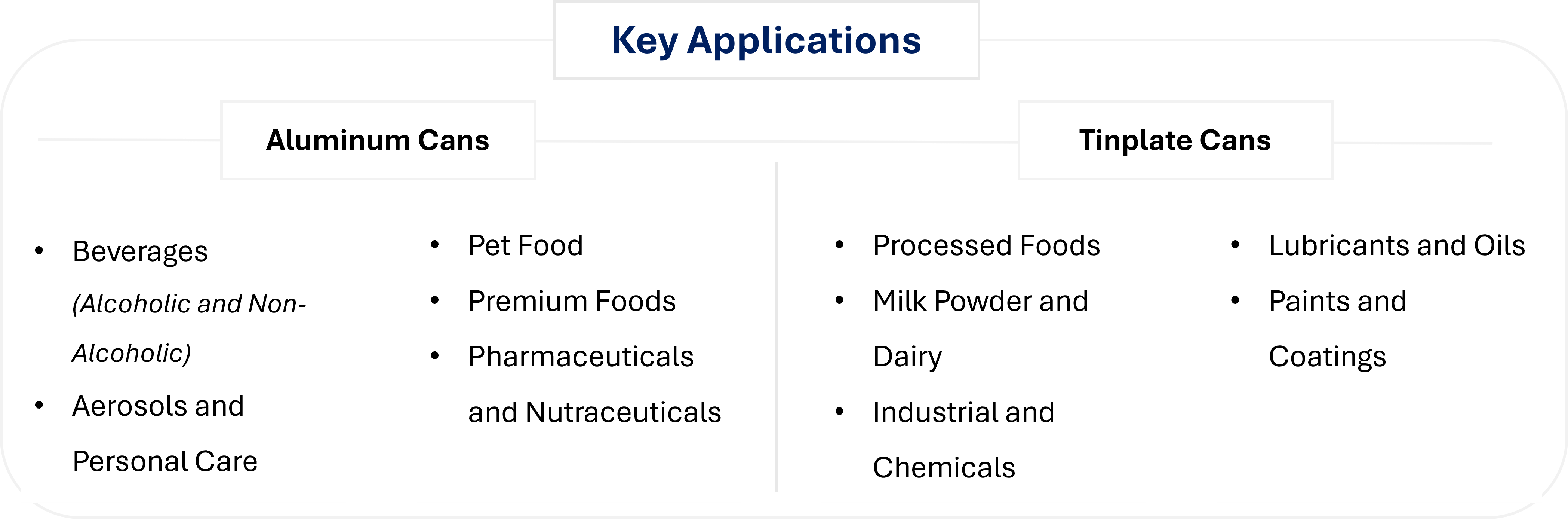
Aluminium Cans vs Tinplate Cans: The Future of Metal Packaging
The can sheet opportunity is part of a larger story playing out across India's metal packaging industry. While aluminium cans continue to gain popularity, tinplate remains an important packaging material across food, aerosol, industrial, and specialty packaging applications — and faces a similar dynamic between domestic production capacity and downstream value capture.
The future of India's metal packaging industry will likely involve growth across both aluminium and tinplate segments, driven by rising consumption and increasing demand for sustainable packaging solutions.
Businesses seeking a deeper understanding of tinplate demand, supply trends, pricing dynamics, and industry outlook can also explore our Tinplate Market Study Report.

Looking Ahead
India has already demonstrated its ability to become a major aluminium producing nation.
The next phase of growth will not be determined solely by how much aluminium the country produces. Instead, it will depend on how effectively India develops downstream value chains, expands can sheet production, strengthens domestic manufacturing capabilities, and captures greater value from every tonne of metal produced.
The aluminium can market is growing rapidly. The larger opportunity lies in building the ecosystem that supports it — and in how much value India can capture from every tonne it produces.
